
Okay, so check this out—I’ve tried a handful of browser wallets. Some were slick. Others felt clunky or, frankly, risky. My instinct said: use the one that gives me fine-grained control without making things tedious. Rabby Wallet landed on my radar for that reason. It’s lightweight, focused on DeFi UX, and—most importantly—puts a lot of useful controls right where you need them.
Short story: it saved me time when juggling multiple chains and dApps. Longer story: it changed how I think about trust and convenience when interacting with on-chain apps. There’s a learning curve, sure. But once you get a few knobs turned the right way, the flow feels natural. Really.
Here’s what I like, what to watch for, and how to get set up safely—practical stuff for people who use extensions every day.
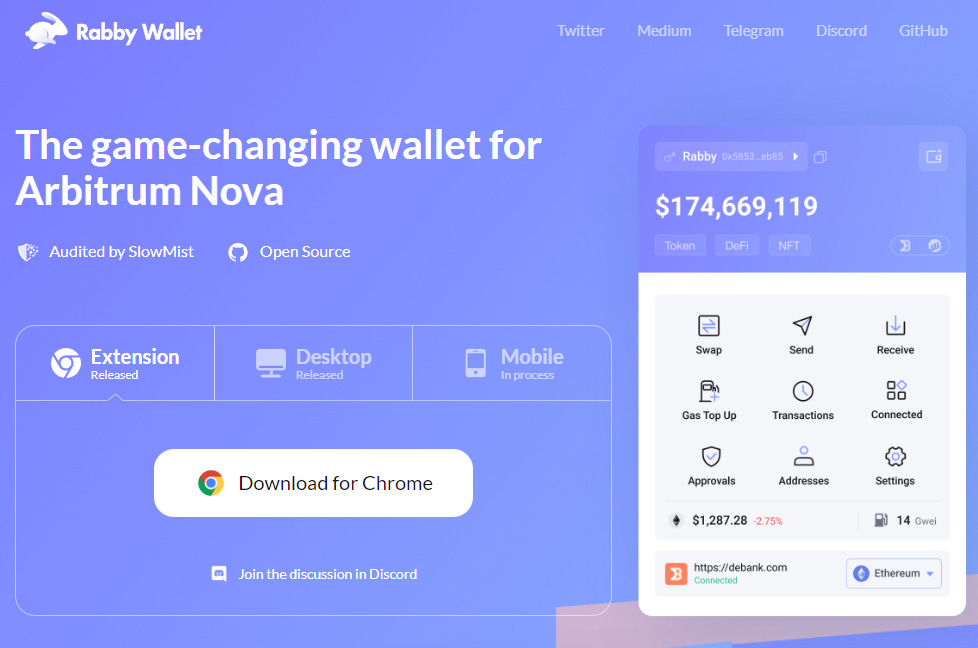
Why choose a browser extension wallet for DeFi?
Browser wallets are the quickest bridge to dApps. They let you sign transactions without moving funds to an exchange, and they’re indispensable for liquidity pools, yield farming, and NFT interactions. But speed and convenience raise real security flags—extensions live in the same process as your browsing, so isolation isn’t perfect. That’s why the wallet’s design matters: permission prompts, approval management, and clear UX save users from costly mistakes.
Rabby focuses on those UX guardrails: per-site permissions, detailed approval flows, and transaction previews that break gas and calldata into readable pieces. It’s not magic. But it reduces cognitive overhead when you’re approving a contract or setting unlimited allowances.
How to download and install (safely)
Download from a trusted source. If you want a straightforward installer and basic walkthrough, check this page: https://sites.google.com/cryptowalletextensionus.com/rabby-wallet-download/ —but pause for a sec: always verify you’re installing the genuine extension in your browser’s official store (Chrome Web Store, Firefox Add-ons, etc.).
Install checklist:
- Create a brand new wallet or import an existing seed carefully. Don’t paste your seed phrase anywhere online.
- Set a strong local password for unlocking the extension.
- Back up your seed—on paper, offline, and in at least two secure places. I’m biased, but hardware + paper beats just a single digital copy.
- Verify extension details: developer name, extension ID, number of users, and recent updates. Phishing copies sometimes mimic names.
Key features that actually matter
Here’s what I toggle on first, and why.
- Per-site permissions: only allow sites to view addresses or request transactions when necessary. Limits blast radius if a tab is malicious.
- Approval management: see and revoke ERC-20 allowances. Very very important—most token thefts use allowances.
- Gas controls & presets: adjust speed and cost. On busy days you want to avoid overpaying, but on time-sensitive ops you need the opposite.
- Contract call previews: seeing calldata in a readable format helps spot suspicious approvals. It’s not foolproof, though.
- Hardware wallet integration: if you use a Ledger or Trezor, always pair it for high-value txs.
These features don’t replace good habits, but they do make risky interactions clearer.
Daily workflow tips
When I open a new DeFi dApp I do three quick things: check the domain, verify the requested permissions, and glance at gas/estimated total cost. If anything looks off, I close the tab and come back later. Sounds simple. But habits matter.
Use separate browser profiles for mainnet funds and for testnets or high-risk experimentation. Also consider keeping smaller daily-use balances in the extension and most funds in cold storage. This split reduces the impact of a compromised extension or a phishing page.
Troubleshooting common issues
Tokens don’t appear? Add them manually via contract address. Transactions stuck? Try bumping gas or canceling via a replacement tx. Connection failures? Check that the site isn’t blocked by your browser or an adblocker that interferes with web3 injection. And remember: sometimes a quick extension update fixes odd bugs.
Frequently asked questions
Is Rabby Wallet open source and auditable?
Many components and client code pieces are published, which helps with transparency, though the exact audit history can change. Always check the project’s official repo and audit reports if you’re planning to move large sums. I’m not 100% up to date on every audit, so do a fresh check before trusting big transfers.
Can I use Rabby with my Ledger?
Yes—hardware support is available. Use the hardware device for signing high-value transactions. It’s one of the best compromises between convenience and safety for regular DeFi users.
What are the biggest risks to watch for?
Phishing sites, malicious copies of extensions, approving unlimited token allowances, and social-engineered support scams. Also, don’t share your seed phrase or paste it into any website—even ones that claim they need it for recovery. If something feels off, stop—my instinct has saved me more than once.