
Whoa, this is wild. I started using Phantom last year and liked how fast transactions felt. Really? It was almost instant and cheap compared to Ethereum. Initially I thought Solana wallets were just for traders, but then I noticed DeFi dapps and NFT marketplaces integrating with Phantom and my whole perspective shifted. My instinct said something felt off at first—network outages had a history—though actually, over months, stability improved and user experience became much more consistent, which surprised me.
Seriously, no kidding. There are caveats, like token support differences and occasional RPC congestion. I’ll be honest, that part bugs me sometimes when I’m on a deadline. But overall the tradeoffs are understandable given Solana’s throughput design. On one hand Phantom keeps things simple with a clean UI and extension flow that mirrors familiar browser wallets, though on the other hand power users may want more advanced key management and multi-account features than what’s exposed by default.
Whoa, check this out—. I remember the first time I connected to an NFT mint and it just worked, which felt oddly emotional. Hmm… my gut said the UX would improve faster than the docs, and it did. Initially I thought I could rely solely on the browser extension, but then I realized hardware wallet integration matters for serious sums and long-term custody planning. So yeah, there’s a balance between convenience and security that you have to accept and manage.
Really? No way. Setting up Phantom is straightforward for most people; you click install, create a password, back up the seed phrase, and you’re off. That seed phrase step is very very important—write it down and store it offline. I’m biased, but I prefer a simple paper backup and a hardware wallet for anything more than casual holdings. On the flip side, small traders and collectors will love how the extension reduces friction when interacting with Web3 sites, though you should still vet the dapps you connect to.
Practical tips for using a Solana browser wallet
Okay, so check this out—before you connect your extension to any site, open the permissions and read them. I’m not 100% sure everyone’s doing that, but you should. Use a dedicated browser profile or a separate browser for crypto activity to reduce exposure from everyday browsing. Consider switching RPC endpoints if you notice slow confirmations; sometimes a community RPC is overloaded and a different endpoint will be snappier. If you want to try Phantom, grab the official phantom wallet download extension and verify the publisher—trust but verify, right?
Whoa, little tricks help. Keep small test transfers when trying new dapps. My instinct said somethin’ like “test first” and that saved me a couple times. On one hand test nets and tiny amounts reduce risk, though actually some real-world issues only appear under load or with mainnet state changes. Initially I thought memos and associated token accounts were minor annoyances, but later they turned out to be real things to manage when you move lots of SPL tokens.
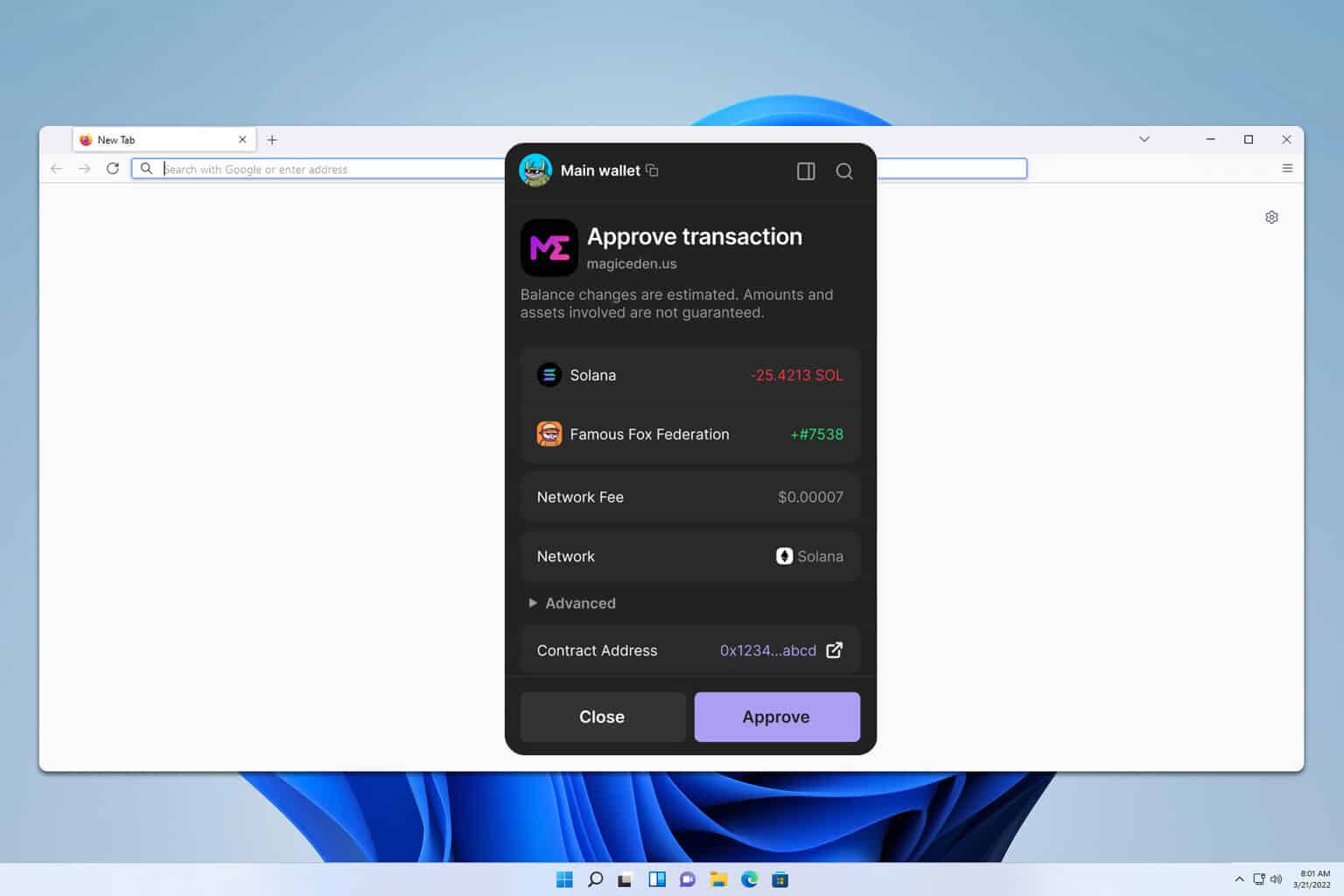
Really, pay attention. Use hardware wallets for cold custody if you can afford them. Also, enable transaction previews in the extension and read what a dapp is asking permission to do—it’s often obvious when something is off. If a site requests access to all tokens or unlimited approvals, pause and step back. There are browser-level privacy tradeoffs too, so consider ad-blockers and tracker blockers that don’t interfere with wallet connections.
Whoa, tangents incoming. Developers should expose clear integration guides for wallets and provide fallback logic for RPC errors. I’m biased towards libraries that abstract away retries and rate limits. On the other hand, builders need to educate users without scaring them off, though actually, educating users builds trust and reduces support load over time. If you run a node or host an RPC, monitor latency and throttling to keep the user experience smooth.
Seriously, here’s another angle. Mobile and extension combos are handy—connect your mobile wallet to approve transactions or use WalletConnect-like flows when available. I tested a few bridging flows and noticed mobile prompts sometimes hide important details, so be vigilant. Also, multi-account support in extension wallets is evolving; keep your primary account lean and use secondary accounts for experimental tokens to limit blast radius. I’m not perfect at this; I’ve moved coins between accounts and cursed my past self more than once.
Whoa, small detail alert. Phishing remains the #1 practical risk for extension users. Always check the URL, confirm the extension’s publisher, and be suspicious of popups asking for your seed phrase. My first instinct when a page asked for recovery words was alarm—and I closed the tab immediately. On the other hand, some sophisticated scams mimic legit dapps convincingly; still, slow down and verify contract addresses and project social links.
Really, validators and networks matter. Solana’s architecture enables low fees and high throughput, but that also means validators and RPC providers play a bigger role in end-user experience than in some other chains. Consider using reputable RPCs and diversify if you build infrastructure or run wallets for others. Initially I thought a single good RPC would suffice, but redundancy pays off when you hit a congested period.
Whoa, finishing thoughts. If you’re new, start small, use the extension for daily interactions, and move larger holdings to hardware-backed accounts. I’m biased toward hardware for long-term storage, though convenience wins for everyday use. Something I keep telling friends: practice recovery drills—simulate restoring your wallet from seed into a clean browser profile to make sure your backups actually work. I’m not trying to scare you; I just want you to be practical and cautious.
FAQ
Is the Phantom extension safe to use?
Yes, in general Phantom is a reputable wallet with solid security practices, but safety depends on user behavior—protect your seed phrase, verify extension sources, and use hardware devices for large balances.
Can I use Phantom with a hardware wallet?
Yes, Phantom supports hardware wallet connections for added security, which is a good option for custodial separation and high-value holdings.
What if transactions are slow or failing?
Try switching RPC endpoints, restart the browser, clear extension cache, or check network status. Sometimes congestion or a misbehaving RPC provider causes delays; patience and switching endpoints often help.